Phuket is one of the top tourist destinations in Thailand, with the areas of Patong, Karon, and Kata being the most popular choices. This little island (Thailand’s largest) was hit hard by the 2004 tsunami, but since then the majority of damaged buildings and attractions have been restored. There is definitely something for everyone in Phuket – here are some of the more lovely and always appropriate attractions:
Khao Rang (Mountain)
A great view of Phuket Town can be seen by going to the top of Khao Rang Hill. There are also several restaurants featuring spectacular views of the city, a health park for exercise enthusiasts, and a comfortable expanse of grass at the top with a bronze statue of Phraya Ratsada Nupradit, the model Governor of Phuket during King Rama V’s reign.
Koh He “Coral Island”
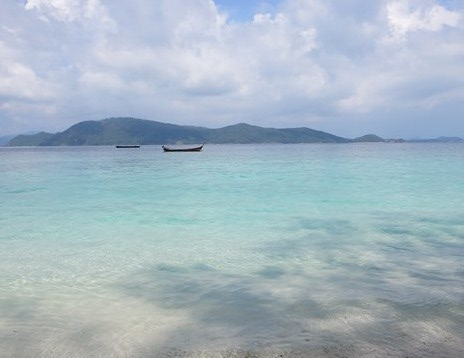
A short boat ride from Phuket, this island is famous for its white powdery beach and rich coral reefs which are ideal for swimming, snorkeling, scuba diving, fishing and other water sports. As the island is not affected very much by the monsoon, visitors can enjoy traveling to the place year round.
There are dozens of scuba and snorkeling centers throughout Phuket, but we went with (and were thrilled with!) Kon-Tiki. The fee included a shuttle to/from our hotel, a speedboat ride from Chalong Pier to the island, our own dedicated snorkel guide, a Thai buffet lunch, and return transportation. Accommodations and basic facilities are available on Coral Island, though we found that a day trip was enough time spent here.
Marine Biological Research Centre
The Marine Biological Research Centre at Laem Phanwa offers the opportunity to observe local marine life up close without having to dive beneath the waves. More than a hundred aquatic species are housed at this facility, which is one of Thailand’s principle centres for research into the whales, dugongs, sharks, dolphins and sea turtles that make their home in the water around Phuket. The centre is open daily from 09.00 a.m. to 05.00 p.m. Admission is 100 Baht ($3.30CDN) for adults and 50 Baht ($1.60CDN) for children.
Old Phuket Town
The beginning of the tin boom in the 19th century led to construction of many fine mansions and shops that are still well preserved. The architectural style, typical of the region, is described as Sino-Portuguese and has a strongly Mediterranean character. Shops present a very narrow face onto the street but stretch back a long way. Some other old European-style buildings of note are the Provincial Hall, the Phuket Courthouse, and Siam City Bank.
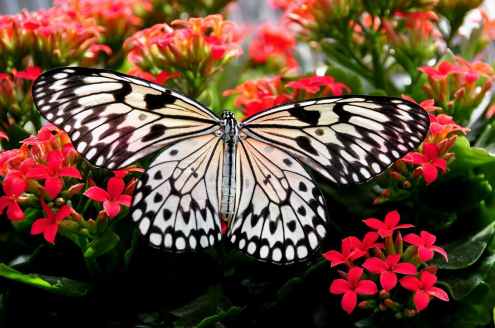
Phuket Butterfly Farm
Located approximately 3 kilometers from Phuket City via Yaowarat Road and the Sam Kong intersection, the farm proudly presents a unique collection of tropical creatures such as butterflies and insects. The farm opens daily from 9 a.m. to 5 p.m. The entrance fee is 150 Baht ($5.00CDN) for adults and 60 Baht ($2.00CDN) for children.
Phuket Sea Shell Museum
This museum is located near Rawai Beach on the island’s south-western shores. The emphasis is on shells from Thai waters, which are among the most sought-after by collectors; however, shells from every part of the world are featured. There are numerous rarities and freaks including the world’s largest golden pearl (140 karats), large sections of sedimentary rock containing shell fossils, and a shell that weighs 250 kilograms. The Museum is open daily from 8.00 a.m. until 7.30 p.m. Admission is 200 Baht ($6.60CDN) for adults and 100 Baht ($3.30CDN) for children.
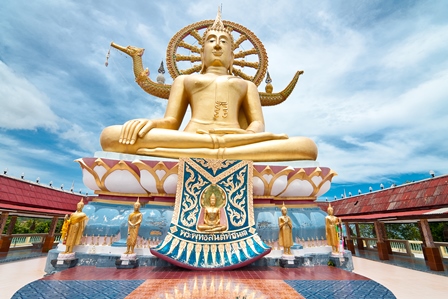
Wat Phra Yai (Big Buddha Temple)
Wat PhraYai is commonly called the Big Buddha Temple as it houses the largest Buddha statue in Phuket. Situated atop Khao Nak Koet, covering an area of 42 rai, the land is the appropriate place to house the 25.45-metre wide and 45-metre tall Buddha statue that faces 19 degrees northeast. The temple is considered a landmark respected by both the people of Phuket and visitors alike.
If these look great to you, but you’re interested in a bit more spice, check out my Party in Phuket post – it should be all the spicy you need.
Discover more from Jess Hunter Travel
Subscribe to get the latest posts sent to your email.
 Jess Hunter Travel
One Comment Add yours